Plastic Credits vs Carbon Credits and Traceability
What this page covers
Plastic credits vs carbon credits
Plastic credits and carbon credits are both market-based tools, but they solve different environmental problems. Plastic credits support the recovery or treatment of plastic waste, while carbon credits focus on reducing or removing greenhouse gas emissions such as CO2.
That difference matters. Carbon markets are more mature and more standardized, while plastic credits are newer, voluntary, and often linked to specific local recovery projects. Both depend on credible verification and careful use.
In brief
- Plastic credits support projects that collect, recover, recycle, or treat plastic waste, often through traceable local recovery systems.
- Carbon credits represent reduced or removed greenhouse gas emissions, usually measured as one tonne of CO2 or CO2 equivalent.
- Both rely on additionality and verification, but carbon markets have more established rules, while plastic credits are still developing and need careful claims.
What to do
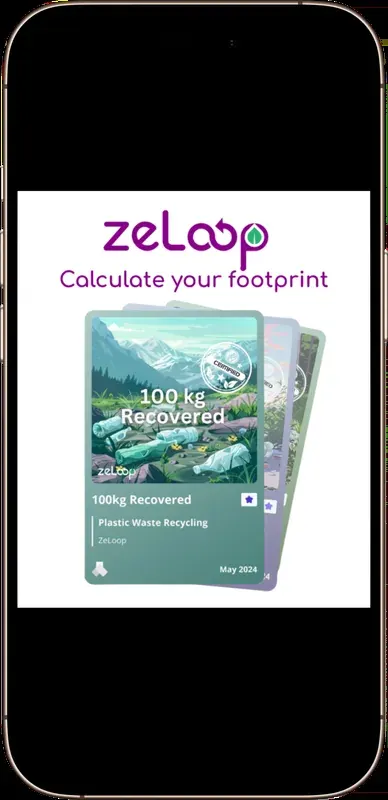
Plastic credits are an emerging tool for companies and individuals that want to support action on plastic pollution. They can help fund plastic recovery, recycling, and cleanup projects, and create incentives for collection and circular practices. ZeLoop’s Plastic Credit model is designed to reward verified plastic collection and support traceable impact.
Carbon credits work differently because they are tied to climate impact. One credit usually represents the reduction or removal of one tonne of CO2 or equivalent. Because greenhouse gases affect the global climate, carbon credits are generally treated as more interchangeable across locations, and the market has had more time to develop common methods and rules.
If you are comparing the two, the key question is which problem you want to address. Plastic credits can support traceable waste recovery and local environmental action, while carbon credits address emissions. In both cases, credits are strongest when used alongside direct reduction efforts, not instead of them.
What to keep in mind
One important difference is that plastic waste is local. A tonne of plastic recovered in one place relates to a specific waste stream and recovery chain, while a tonne of CO2 reduced or removed contributes to a global climate effect. That is why plastic credit systems often focus on ton-for-ton recovery and project-level traceability.
Plastic credits are also usually voluntary and less standardized than carbon credits. Credible programmes need independent audits, chain-of-custody evidence, and transparent tracking. ZeLoop describes its programme as using NFTs to track credits and improve transparency.
Claims need to be made carefully. Good practice is to reduce your plastic footprint first, then deal responsibly with the remaining waste. The same applies to emissions: credits can support a residual impact strategy, but they should not be used as a substitute for reducing impacts at source.