
University Campus Sustainability Lead
What this page covers
University campus sustainability lead
If you lead sustainability on a university campus and want students to stay involved beyond one-off eco events, you may be looking for a practical way to turn plastic bottle collection into visible, repeatable action across campus.
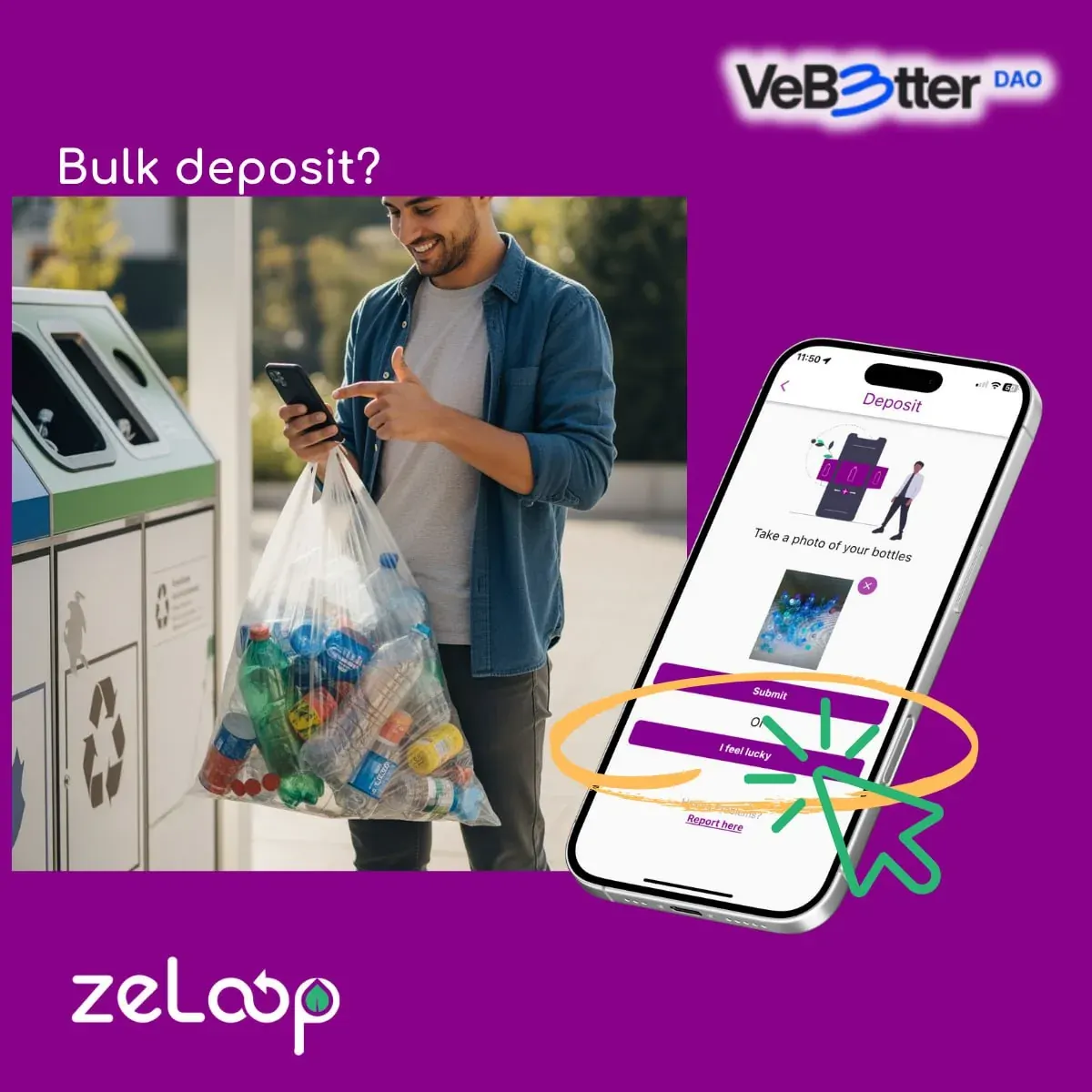
A sensible first step is to test a student-led format that is easy to join. ZeLoop offers an app-based experience and a campus ambassador model, giving you a concrete way to explore student engagement before expanding further.
In brief
- You may need a way to keep students engaged in recycling over time, not only during short campaigns, while making participation easier to see and support across campus.
- A student-focused setup may be the safest fit to assess first. ZeLoop combines an app with a campus ambassador model, so interested students can help drive participation through existing eco clubs or rep teams.
- Before you roll it out, check whether an external app and ambassador approach fit your campus policies, reporting needs, and the student groups you already rely on for sustainability activity.
What to do
Your role often means balancing sustainability goals with the practical challenge of keeping a large campus community involved. If student interest is strong during events but harder to maintain day to day, a structured participation format may be worth exploring.
ZeLoop has launched a campus ambassador program for students and mentions a partnership with the Australian University of Sharjah, where an eco rep team was formed through an eco-friendly club. For a campus sustainability lead, that points to a format built around student ambassadors supported by the ZeLoop app.
A careful way to begin is with a small group of motivated students or an existing eco club. This lets you see how the ambassador approach fits your campus culture and current sustainability activity before deciding whether a wider rollout makes sense.
What to keep in mind
The available example is specific. ZeLoop mentions a campus ambassador program and a partnership with the Australian University of Sharjah through an eco-friendly club. That shows campus relevance, but it does not by itself confirm the same level of participation on every campus.
This type of initiative may be most suitable where students or clubs are already willing to take an active role. It is best viewed as one engagement tool, rather than a full replacement for your internal sustainability planning or formal reporting processes.
That is why a pilot-style first step is sensible. Starting with a small ambassador group lets you assess student interest, operational fit, and how the app supports your wider sustainability goals before making it part of a broader campus programme.