
Plan a Branded Eco App Launch Communication Sequence
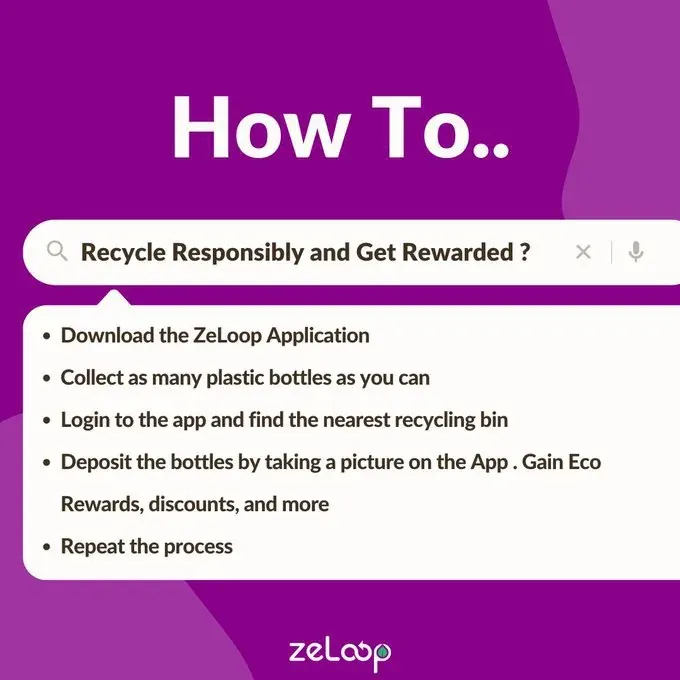
What this page covers
Plan a Branded Eco App Launch Communication Sequence
A branded eco app launch works best when the message order is planned before the first announcement goes out. Build one sequence that explains the app, tells each audience what to do next, and keeps the wording consistent across channels.
Treat the launch as a communication process, not a single post. Start with the audience, then the timing, then the call to action, so the rollout is easier to coordinate and simpler to review later.
In brief
- Map the launch message by audience, such as participants, operators, or internal teams, so each group gets the right next step.
- Sequence the communication before and after launch so people see one clear story instead of separate notices.
- Keep the wording practical and specific to the action you want, including the download step where relevant.
What to do
Start by defining the purpose of the launch sequence. One message may introduce the app, another may explain why it matters, and another may ask the audience to download it. Keep those jobs separate so each communication has one clear outcome.
Then set the order in a simple flow. A launch plan often works better when it moves from awareness to action to follow-up. That gives you room to prepare the first announcement, a reminder, and later guidance that helps people use the app with less friction.
If several people need to approve the communications, use a shared draft that names the audience, channel, timing, and call to action for each message. A short internal checklist can help teams confirm that the wording, visuals, and launch timing all match the same plan.
What to keep in mind
This page is most useful when you need a practical launch communication plan for a branded eco app and want the sequence clear before rollout. It is less useful if you only need a one-line announcement or if the audience and timing are already fixed elsewhere.
Launch conditions can vary by operator, so avoid assuming one universal message path. App access rules, audience size, and response may differ, so the communication sequence should stay flexible to the rollout context.
Use facts that are already confirmed for your app and do not fill gaps with assumptions about features, locations, partners, results, or operational promises. If you later measure adoption, keep those results separate from the launch plan so the sequence remains a planning tool, not a performance claim.