Plastic Waste Reduction Standard
What this page covers
Plastic waste reduction standard
A plastic waste reduction standard helps structure how plastic use and reduction efforts are measured, tracked, and made more transparent over time.
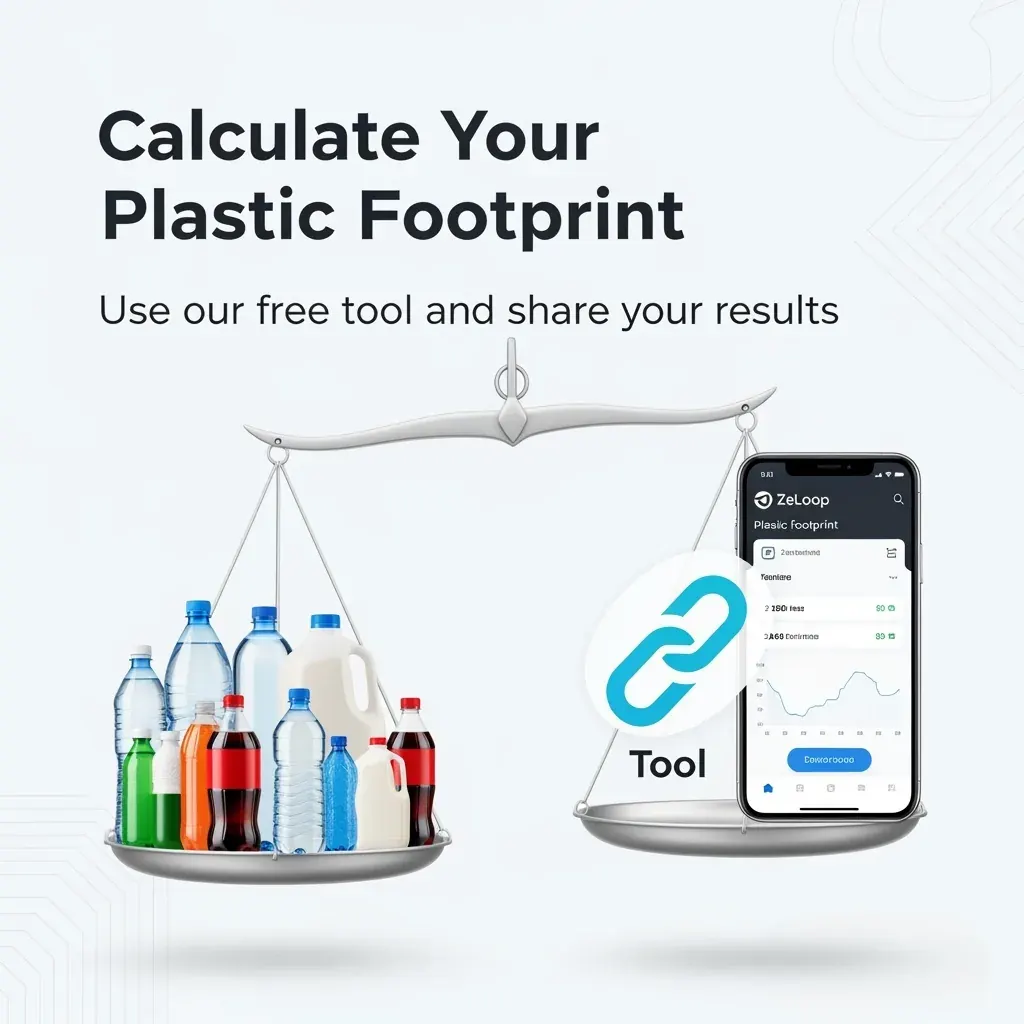
On this page, the focus is on measuring a company’s plastic footprint with current methodologies and using that work to support accountability in sustainability efforts.
In brief
- A plastic waste reduction standard is associated with scaling up plastic waste collection and recycling.
- It supports plastic footprint measurement so organizations can set clearer benchmarks for transparency and accountability.
- It can also be supported by awareness and training efforts that help teams build responsibility around plastic use.
What to do
ZeLoop presents plastic waste reduction as a practical process that starts with understanding the plastic footprint. The approach described is to measure a company’s plastic footprint using the latest scientific data and methodologies, then use that information to create clearer sustainability benchmarks.
The same direction also includes raising awareness and educating teams. Training employees on the environmental and health impacts of plastic can help foster a culture of awareness and responsibility, which supports more consistent reduction efforts across the organization.
ZeLoop also describes its platform as a simple and effective way to reduce a plastic footprint. For individuals, this is presented as a way to join a community and start making a difference, while the measurement and accountability language is relevant for broader reduction planning.
What to keep in mind
The available information points to a focused scope rather than a fully detailed certification framework. It clearly references plastic footprint measurement, transparency, accountability, and team education, but it does not provide detailed eligibility rules, audit steps, or formal issuance conditions on this page.
The broader topic of a plastic waste reduction standard is linked with scaling up plastic waste collection and recycling. That gives useful context, but the most direct details here remain centered on measuring footprint and building internal awareness around plastic impacts.
This page is most useful for readers looking for a practical introduction to plastic waste reduction and footprint measurement. If you need a more hands-on next step, ZeLoop also presents its platform as a simple way for individuals to start reducing their plastic footprint.