
Plastic Credits vs Carbon Credits and Plastic Footprint
What this page covers
Plastic credits vs carbon credits
Plastic credits and carbon credits may look similar, but they address different environmental issues. Carbon credits deal with greenhouse gas emissions, while plastic credits focus on collecting, recovering, or responsibly managing plastic waste.
That distinction matters. Carbon is generally treated as a global issue, while plastic waste is local and harder to standardize. Plastic credits can support action on plastic footprint, but they work best alongside efforts to reduce plastic use.
In brief
- Carbon credits relate to climate impact. Plastic credits represent the collection, recovery, or proper management of an equivalent amount of plastic waste.
- Carbon markets are older and more standardized. Plastic credits are still voluntary, developing, and usually less consistent than carbon credit frameworks.
- Plastic credits can help individuals and businesses address plastic footprint, but they should not be used as a reason to keep increasing plastic consumption.
What to do
A useful way to compare them is to look at what each credit is designed to balance. Carbon credits are linked to CO2 emissions, where one tonne of CO2 has climate impact regardless of where it is released. Plastic credits are linked to plastic footprint, with the focus on collecting, recycling, or properly managing plastic waste.
This changes how quality and credibility are assessed. Carbon is often treated as fungible across locations, but plastic waste is local, so plastic credit systems usually aim to match recovered or recycled plastic with plastic use on a like-for-like basis. In both cases, credibility depends on additionality, meaning the project should create impact beyond normal operations.
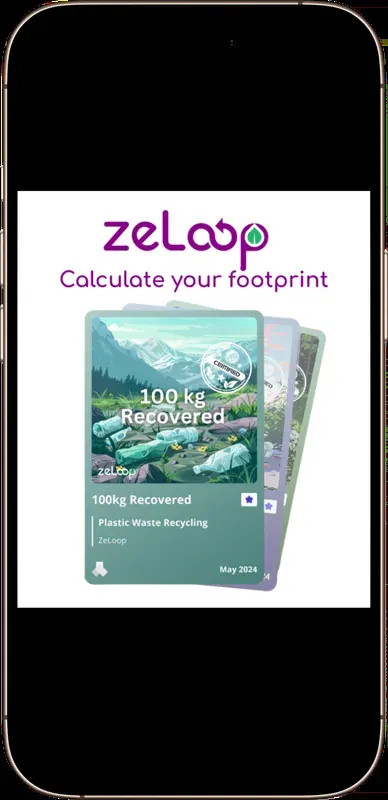
In ZeLoop's model, collected plastic is tracked and linked to NFT certificates to help businesses and individuals offset plastic footprint. The broader purpose is to create financial support for waste recovery and better plastic management, not to replace direct efforts to reduce plastic at the source.
What to keep in mind
Plastic credits can be useful when a company or individual wants a structured way to address plastic waste that cannot yet be avoided. At the same time, they remain voluntary and less standardized than carbon credits, so buyers should review projects carefully and use clear, accurate public language.
A credible plastic credit program needs more than a simple transaction. Independent verification, traceability, chain-of-custody records, and clear project standards all matter, especially in a market that is still developing. Claims should be backed by evidence to reduce the risk of overstatement or greenwashing.
The most responsible approach is to reduce plastic footprint first and then use credits for the remaining unavoidable waste. That keeps the focus on measurable action, better traceability, and real support for plastic collection, recovery, or responsible waste management projects.