
Plastic Footprint and ESG Reporting
What this page covers
Understand how plastic footprint measurement can support clearer ESG reporting and more transparent sustainability action. This hub brings together practical guidance on key plastic footprint topics.
Learn how organisations can assess their plastic footprint using recognised data, defined methodologies, and benchmarks that support transparency and accountability.
Use this page to explore more focused guidance on plastic footprint reporting and impact tracking as part of a broader sustainability strategy.
What to choose
- Learn how plastic footprint measurement can strengthen ESG reporting when transparency, traceability, and accountability are priorities.
- See how to approach plastic footprint calculation using current data, clear methods, and benchmarks that can be monitored over time.
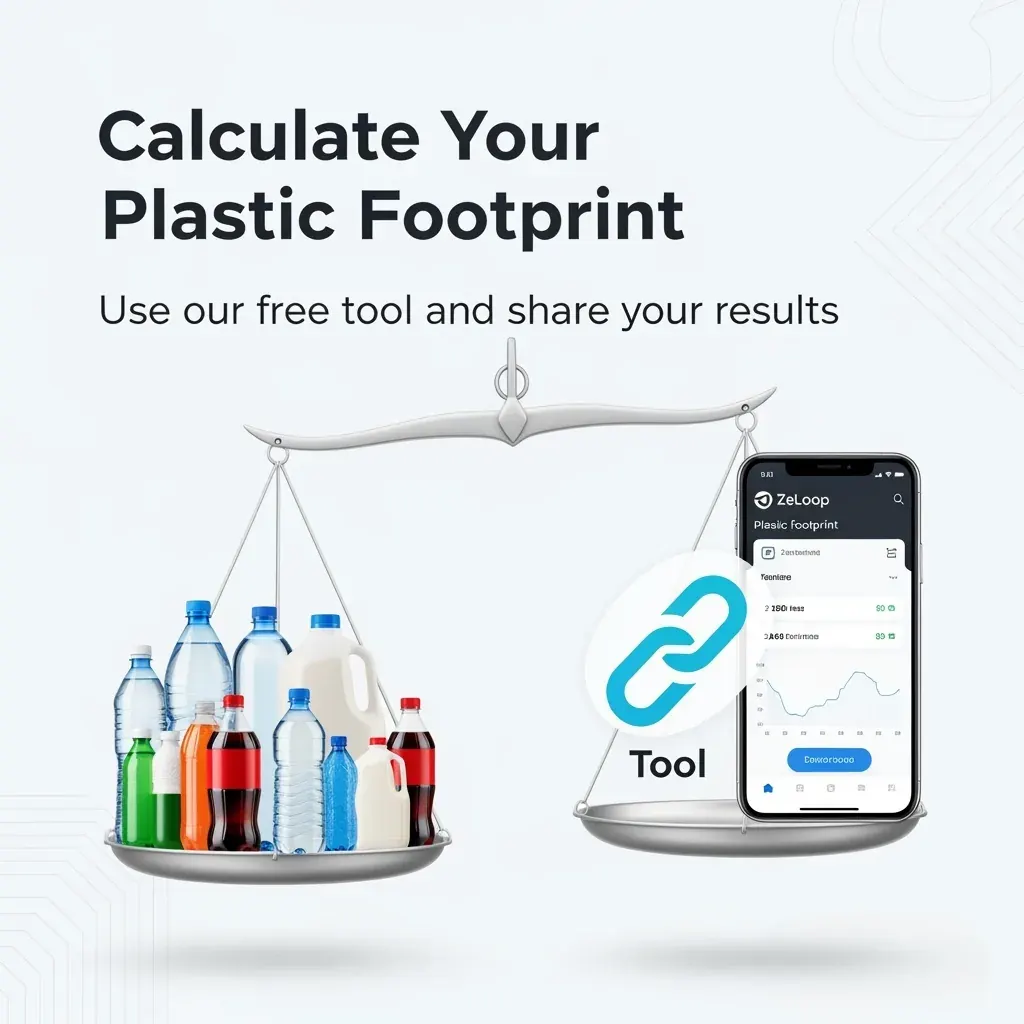
- Explore ways to reduce a plastic footprint and connect reporting with practical action through the ZeLoop app and community.
Where to go next
Below, you can access a dedicated page on plastic footprint reporting, with a closer look at measurement and reporting topics linked to plastic use and impact.
The child page goes deeper into reporting practices and impact tracking, helping you link plastic footprint work to wider ESG communication and decision-making.
What matters
- Plastic footprint calculation can help organisations measure plastic use and impact using current data and defined methodologies.
- This work can also support benchmarks for greater transparency and accountability in sustainability reporting.
- ZeLoop also gives individuals a practical way to start reducing their plastic footprint through its app and community.