
Recycling in UAE for Local Recycling in the UAE
What this page covers
Recycling in uae
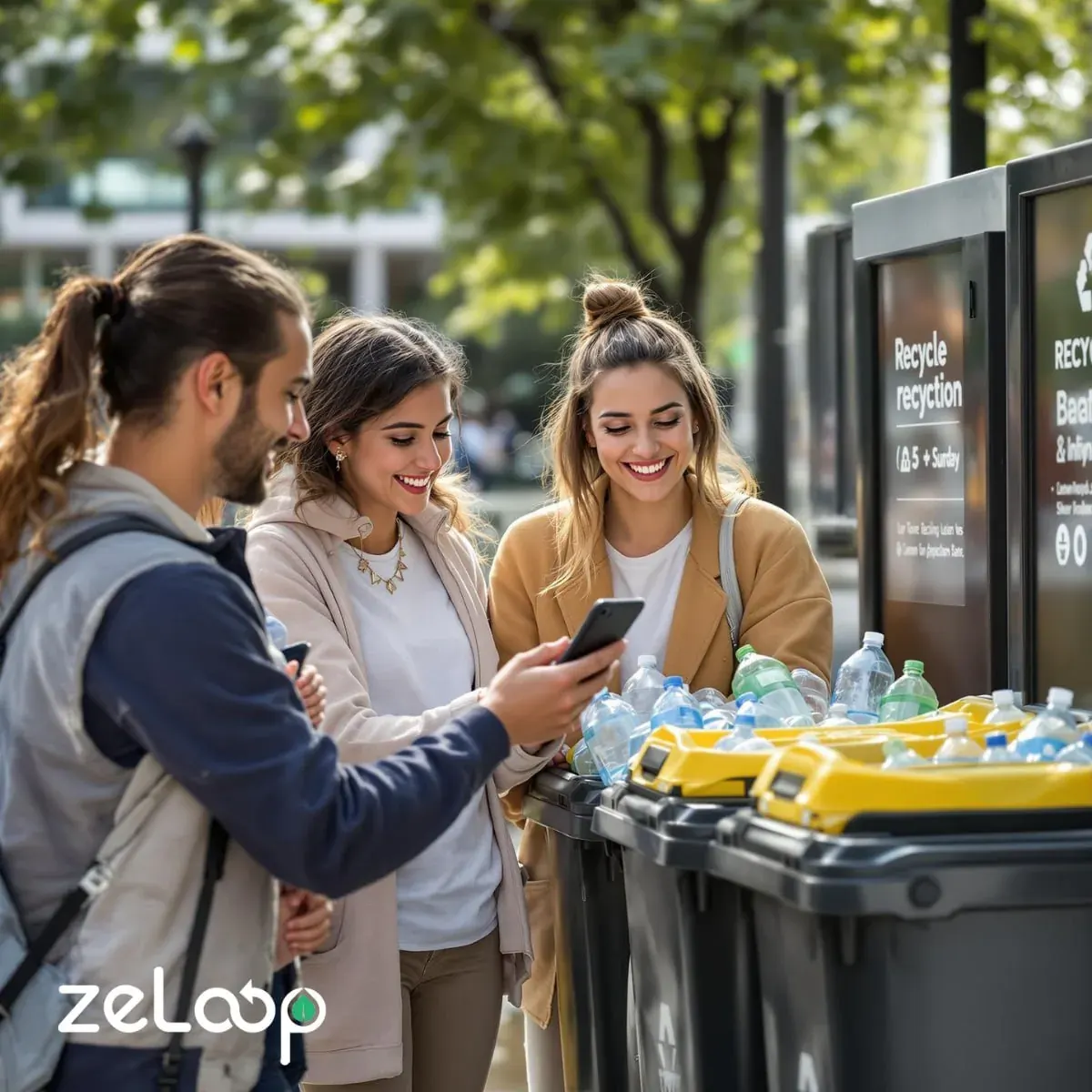
Recycling in the UAE includes public bins, mall reverse vending machines, selected store take-back points, and some app-based collection services for everyday items such as plastic bottles.
Options vary by location, but residents can increasingly recycle PET bottles through drop-off points and reward-based programmes that encourage better habits and support more circular communities.
In brief
- Residents in the UAE can recycle plastic bottles through municipal bins, mall reverse vending machines, and selected retail collection points in places such as Yas Mall, WTC Abu Dhabi, and some Carrefour stores.
- Most plastic water bottles are made from PET and are commonly accepted in recycling programmes. It helps to empty, rinse, and dry bottles before recycling to reduce contamination.
- Some services offer app-based pickup or rewards, but coverage is limited in parts of the UAE, so it is best to check local instructions and accepted materials before recycling.
What to do
In the UAE, bottle recycling works through a mix of public and private collection channels. Residents may find municipal bins, mall-based machines, and store return points that accept sorted plastic bottles. Reverse vending machines are a clear example, letting people insert empty bottles and receive points or vouchers in return.
There are also app-supported services in selected areas. Available information points to free home pickup of sorted recyclables, including plastic bottles, for registered households in Dubai and Abu Dhabi through collection requests made in an app. This is convenient for some users, but it is not the standard model across the whole country.
After collection, plastic water bottles, which are usually PET, go through sorting, cleaning, and reprocessing into flakes or pellets. These recycled materials can then be used in products such as packaging, textiles, or construction materials. To support that process, bottles should generally be empty, rinsed, and dry, while cap handling should follow the rules of the specific programme used.
What to keep in mind
Recycling in the UAE is growing, but access is not the same everywhere. Some residents have nearby bins, mall machines, or store schemes, while others have fewer convenient options. Verified nationwide recycling throughput figures are also limited, so local availability is often more useful than broad assumptions.
Doorstep collection should be treated as location-dependent rather than universal. The available information points to registered households in Dubai and Abu Dhabi for one pickup service, which means many people still rely on drop-off recycling through public bins, malls, schools, or community events instead of routine curbside collection.
Preparation rules can vary by operator. Empty, rinsed, and dry bottles are generally preferred, but caps may need to stay on in some programmes and be removed in others. Checking the instructions on the machine, bin, or app helps make sure bottles are accepted and processed correctly.