Choose White Label App vs ZeLoop App
What this page covers
Choose white label app vs ZeLoop app
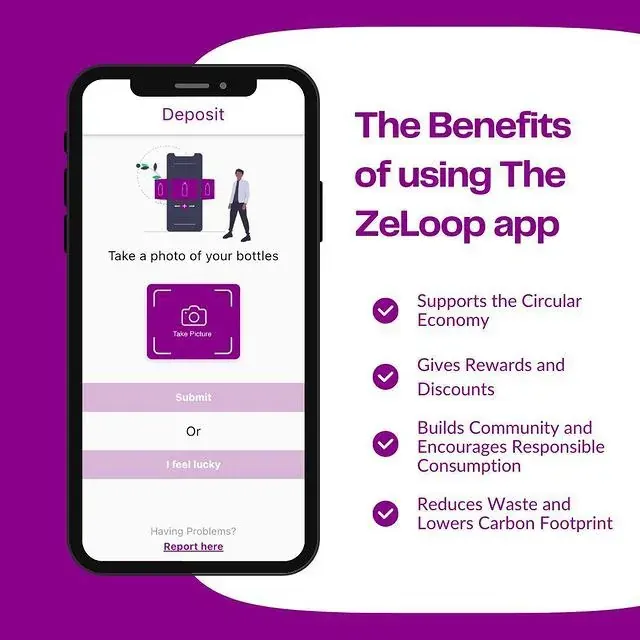
If you need a live app experience now, the ZeLoop app already provides a dashboard, status levels, belts, badges, impact tracking, and sharing features. It is the clearer choice when speed and ready-to-use engagement matter most.
A white label option may suit you better if brand control and tailored functionality are the priority. The right choice depends on whether you want to launch on ZeLoop’s existing app or invest in a more customised build.
In brief
- Choose the ZeLoop app when you want a ready-made experience with a dashboard, status levels, belts, badges, impact tracking, and sharing features already in place.
- A white label option makes more sense when your team needs stronger brand control, deeper customisation, and an app shaped around a specific strategy.
- Base the decision on your resources, launch timeline, and how much ongoing coordination your team can realistically manage.
What to do
The standard ZeLoop app is designed to drive participation through visible progress. Users can track impact, share activity, and move from Newbie to Guru through status levels, with white, green, jade, and emerald belts plus badges unlocked through achievements.
That built-in structure can help organisations launch faster because the engagement model already exists. ZeLoop positions the app as a way to fight plastic pollution, encourage responsible consumption, and bring people together around cleaner habits and community action.
A white label route may be a better fit for teams that want a more tailored product, but the available information here is much stronger on the live ZeLoop app than on any specific white label package. In practical terms, ZeLoop is the clearer option if you want to activate users around impact and rewards without waiting for a custom build.
What to keep in mind
This comparison usually comes down to a familiar trade-off: speed versus control. The choice can be harder when internal tech resources are limited, when several stakeholders need to align, or when the long-term effort of maintaining a custom app is still unclear.
What is clearly established is that ZeLoop already offers user-facing engagement features. The app highlights impact tracking, sharing, collector status, and reward-led participation, and ZeLoop also refers to voucher-style rewards in some campaigns. That gives the standard app a more concrete and immediate profile.
A white label route may be less suitable if your main goal is to launch quickly and keep complexity lower. It becomes a stronger option when customisation is the main priority and your team is ready for the extra planning and coordination that usually come with a branded build.